MENU
Close

05-03-2026

Why organizers choose a single general contractor

Edenio Woudstra Sabajo
New Business Developer General Contracting
Share this article:

Complexity grows faster than you think

The scale of international trade fairs is growing rapidly. A 45,000 m² exhibition floor with 3,200 exhibitors from 75 countries requires more than just a schedule; it requires professional direction. Every connection, delivery, or change affects other parts of the chain. A change in stand design is not a minor detail; it affects the installation of electricity, water, and AV.

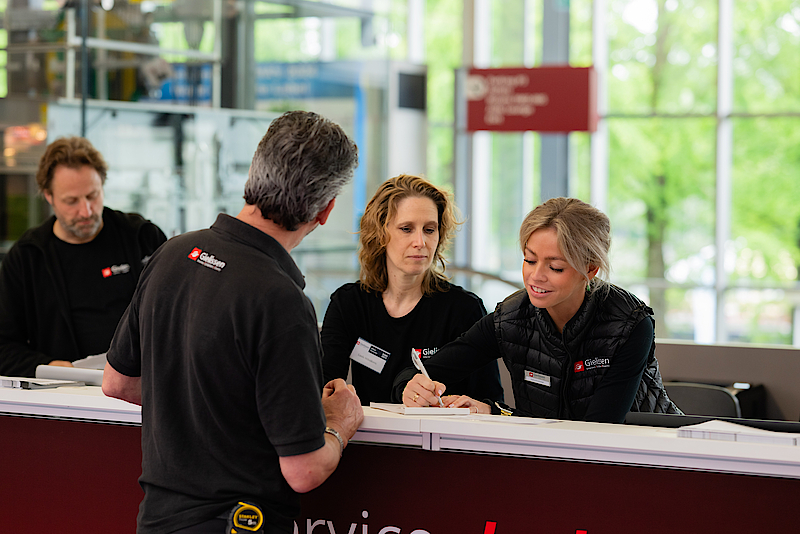
 

Without central management, this process becomes fragmented. With multiple contact persons, it becomes unclear who makes the final decision. This results in duplicate work and uncertainty about what takes priority. Every minute counts, especially during the peak week. Without tight coordination, chaos ensues and control over the project slips through your fingers.


One point of contact for technical and logistical coordination

Therefore, more and more organizers are choosing a single general contractor to handle full technical and logistical coordination. These contractors are not just overseeing the work from afar; they are an extension of the organizational team.

At the trade fair PLMA’s World of Private Label, for example, all operational services were managed centrally, including technical connections, carpeting, and graphic assembly. The organization focused on strategy, sales, and visitors while entrusting the execution to a single party.

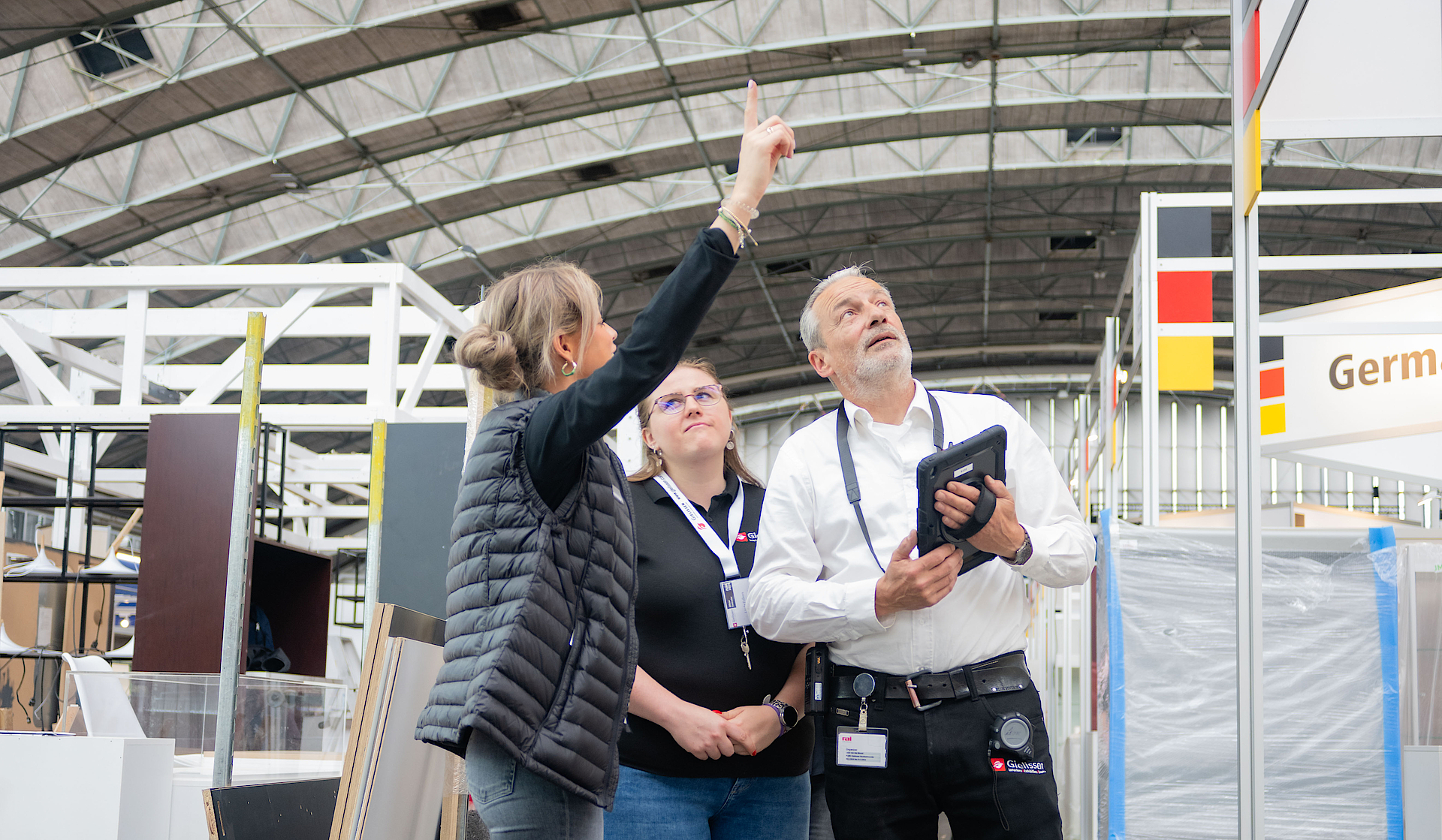
You only truly appreciate the value of central coordination when things get tough on the floor. For example, during construction, one of the teams got stuck placing doors and corner pieces. If you don't intervene immediately, the entire schedule falls behind, and you won't make the fair's opening. Fortunately, our project manager noticed this quickly and moved more experienced people from another hall to help out. The problem was solved on the spot, and everything was ready on time.

You notice the difference precisely when pressure increases and deadlines approach. Whether the issue is a technical defect or a last-minute change, having one point of contact who stays on top of everything ensures the speed and clarity you need.

Preparation prevents problems on the floor

The real benefit of central management is seen in the phase before construction. With a central system, exhibitors can assemble their stands and order services, which reduces errors and limits administration. This results in fewer surprises on the floor and greater predictability in planning, costs, and capacity. Additionally, organizers can receive information about all of their exhibitors' orders and needs upon request.


Structure that provides space

Central management does not limit creativity. In fact, the opposite is true. When technology and logistics are well organized, space is created for distinctive designs. At PLMA, over 9,200 square meters of modular construction and nearly 60 custom stands came together within one technical framework. This ensured a consistent appearance while allowing for flexibility where necessary.


Coordination is not a luxury, it is a strategy

Visitors expect a well-organized fair. Behind the scenes, this is the result of clear processes, short lines of communication, and experienced teams that think ahead. Organizers opt for central management to maintain control and focus. They are not less involved, just better focused. Ultimately, a successful trade fair is not about how many people work on it. It's about how well they collaborate.

Curious how to apply this to your event? Edenio is happy to brainstorm with you.

Read more about:

Exhibitions & Events
Share this article: